OpenAI's cofounder wants AI with 'almost no interface' — and admits why the last attempt failed
Greg Brockman says people shouldn't have to learn software anymore. His candid admission about ChatGPT plugins explains both the vision and why it's still far away.
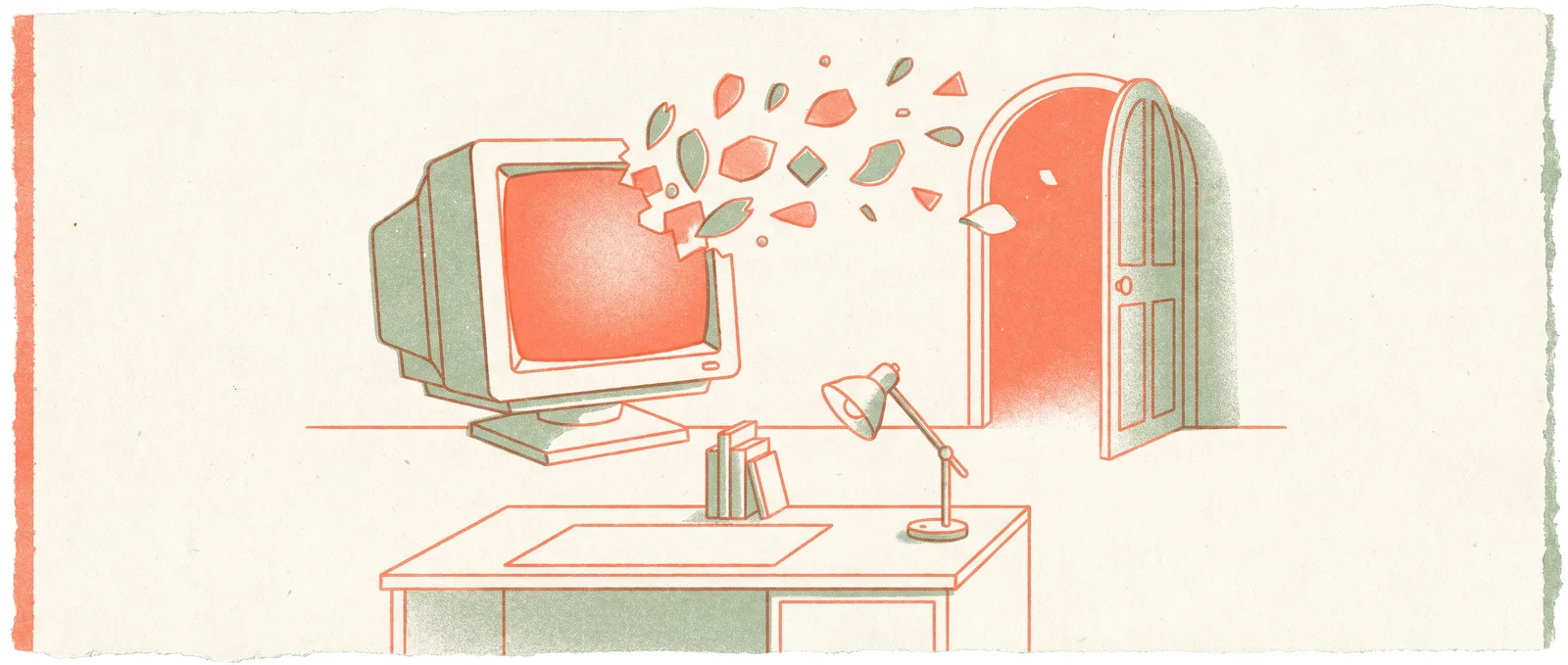
OpenAI cofounder Greg Brockman has sketched where he thinks all of this is heading: software you never learn, apps you never open. “You want almost no interface, you want no product,” he said in a recent interview with journalist Alex Kantrowitz. In his vision, ChatGPT becomes an invisible layer — a persistent, context-aware agent you hand tasks to, which then quietly operates the digital world on your behalf.
The refreshing part is what came with it: a plain admission of failure. OpenAI tried a version of this in 2023 with ChatGPT plugins, which were supposed to connect the chatbot to services like Gmail. “That didn’t work. It didn’t work at all because the models weren’t ready,” Brockman said. Worth remembering that OpenAI marketed plugins confidently at the time — a useful calibration for how to read the next confident product launch, from any AI company.
Is it different now? Partly. Models can genuinely operate other software today — booking, searching, filling forms — and agent features are shipping across the industry. But reliability is still the wall. AI models remain unpredictable enough that getting business value out of them takes heavy prompt work and custom integration. Anthropic, OpenAI, and Microsoft have all recently spun up consulting-style units that send engineers to client companies to wire AI into their systems by hand — the opposite of an invisible interface. OpenAI’s own power-user tools, with their settings, modes, and model pickers, are also a long way from “no product.”
What’s behind it: interfaces exist because software needs unambiguous input — a button click means exactly one thing. Replacing that with plain language means the system has to resolve all the ambiguity a form never allowed, and get it right nearly every time, invisibly. That’s why “no interface” is the hardest interface to build: when there’s nothing to click, there’s also nothing to catch your intent when the AI misreads it. The vision is plausible; the reliability bar it demands is brutal.
What this means for you: For most of us, nothing changes today — but it tells you where the big labs are steering. Two practical takeaways. First, expect apps to keep dissolving into assistants over the coming years: less “open the tool,” more “ask for the outcome.” Second, keep your skepticism calibrated: the honest version of the story, straight from OpenAI’s cofounder, is that the last big interface promise shipped before the technology could keep it. When the next one arrives, check what it reliably does — not what it envisions.
Sources
Claude Science: Anthropic builds an AI workbench that keeps research data on your own machines
Anthropic's new app for researchers bundles 60+ scientific skills, a citation-checking verification agent — and runs locally, so sensitive data never leaves the lab.