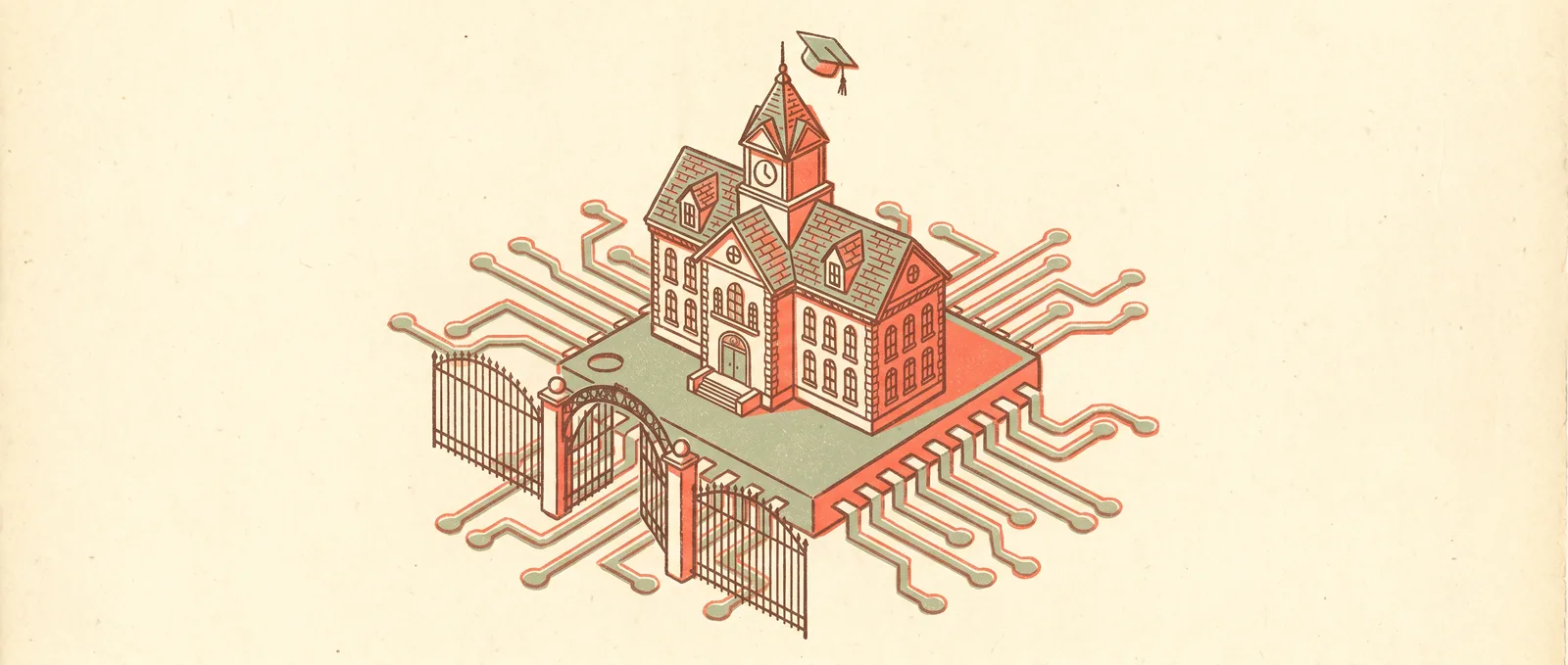
Faster homework, worse exams: a 26,000-student study puts numbers on AI's hidden learning cost
A 30-month study of Chinese secondary students finds AI users finished homework faster and scored higher — but dropped up to 24 percent on exams, with the full damage taking two years to surface.
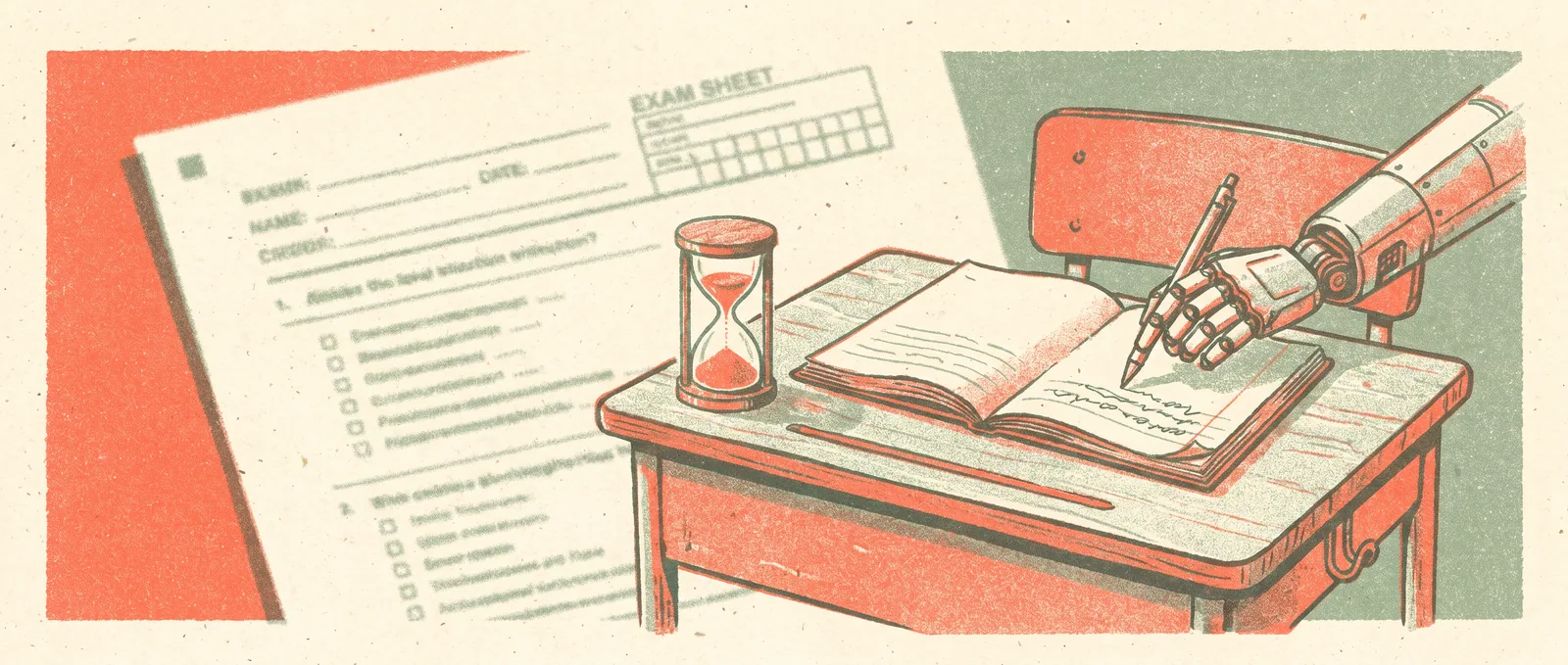
Here’s a study result that should give every student — and every parent — a moment’s pause. Researchers tracked more than 26,000 secondary school students in central China over 30 months. Students who started using AI finished their homework faster and got better homework grades. But on closed-book exams, their scores dropped by around 20 percent. And on high-stakes entrance exams, the full damage — an 18 to 24 percent decline — took about two years to show up.
The numbers are striking. Six months after students first picked up AI tools (mostly Doubao, DeepSeek, and Qwen), homework scores rose 18 percent while average time per assignment fell from 64 to 45 minutes. The researchers used a difference-in-differences design — in plain terms, they compared how each student’s performance changed after adopting AI against classmates who hadn’t started yet. One caveat worth knowing: AI usage was self-reported, and the method assumes both groups would have developed similarly without AI.
What’s behind this? The pattern points clearly to outsourcing, not learning. About 81 percent of long-term AI users finished homework in under 50 minutes — faster than even the quickest non-users — got high homework grades, and bombed exams. But here’s the genuinely hopeful part: students who used AI while spending just as much time on homework as their non-AI classmates scored just as well on exams, plus better homework grades. AI wasn’t harmful by default. It caused damage when it replaced thinking rather than supporting it. The dose mattered too: an hour a week cost about 5 percent, five or more hours cost 30 percent. And because the effect builds slowly and spreads across subjects, almost nobody — not teachers, not students — connected the dots. This lines up with an Anthropic study where people learning to code with AI help scored 17 percent worse on follow-up tests, unless they used the AI to understand rather than to copy.
What this means for you: If you (or your kids) use AI for learning, the single question that matters is: is the AI doing the thinking, or helping you do it? Asking “explain why this works” builds knowledge; pasting the assignment and copying the answer quietly erodes it — and you won’t notice for months. A practical rule from the data: if AI makes your homework dramatically faster, that speed is probably the cost of learning, not a bonus. Used as a patient tutor instead of an answer machine, AI showed no downside at all in this study. That’s a distinction worth teaching before the exam results make it for you.
Sources
Source: https://papers.ssrn.com/sol3/papers.cfm?abstract_id=6868618
Two hours of AI tutoring, $75,000 a year: inside the AI private school boom
Wealthy US families are moving their kids to AI-first schools like Alpha School — while research shows most schools still don't know how to use AI without hurting learning.